
Why Room Temperature Discrepancies Matter — and When to Call for HVAC Help
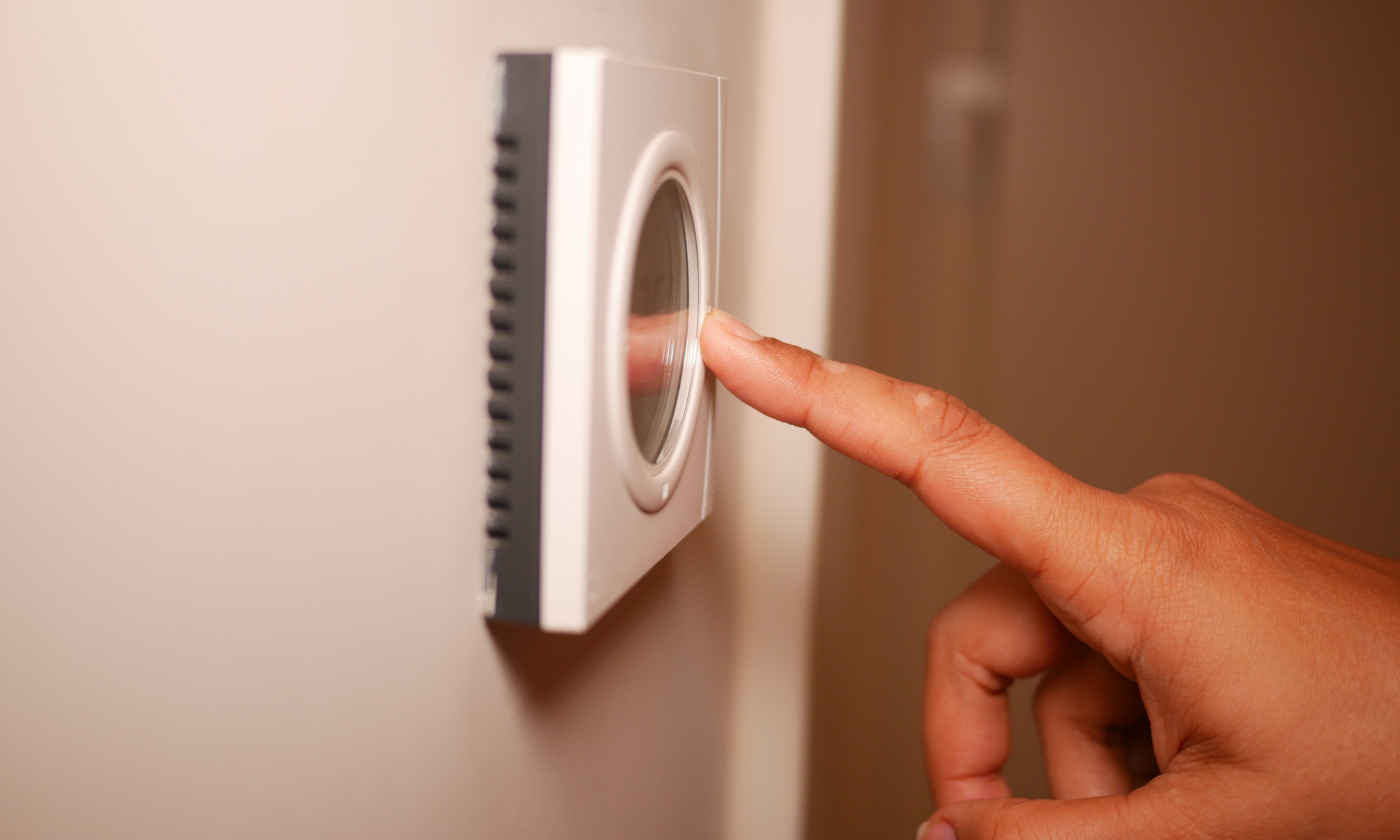
Most homeowners expect their living spaces to feel comfortable and consistent. But when one room feels noticeably different than another — especially if the difference is 10 degrees or more — it’s not just annoying. It’s a sign something in your HVAC system may not be working as it should.
In Central Texas, where winter and summer can both push HVAC systems hard, understanding temperature discrepancies can help you avoid discomfort, higher energy bills, and potential equipment damage.
What Causes Temperature Differences in Your Home?
Every thermostat has a sensor that measures temperature in a single location. But that reading isn’t always the true whole-room or whole-house temperature — and there are a few reasons why:
Thermostat Placement — If your thermostat is in direct sunlight, near a draft, or close to a heat source (like appliances or electronics), it may read inaccurately compared to the rest of the room. True average room temperature requires good airflow and proper placement.
Sensor Calibration or Drift — Over time, the thermostat’s internal sensor will lose accuracy if it’s not calibrated properly or has aged.
Airflow and HVAC Distribution — Blocked ducts, closed vents, or uneven airflow can leave some rooms much hotter or cooler than others. A room cut off from proper conditioned air can diverge by more than 10 degrees.
Insulation and Structural Factors — Poor insulation or exterior walls, especially in older homes, can cause extreme temperature swings in specific rooms.
Some small temperature variation — a few degrees — is normal. But when the difference exceeds about 10 degrees from what the thermostat or room sensor shows, that’s a red flag.
Why a Big Temperature Gap Is a Problem
When a temperature discrepancy is that large, it often means the HVAC system isn’t achieving balanced heating or cooling, which could be due to:
An HVAC system that’s short-cycling, under-performing, or failing
A dirty filter or blocked air pathways
A malfunctioning thermostat sensor
Ductwork leaks or poor distribution
This doesn’t just affect comfort — it can also:
Drive up energy bills by forcing your system to run longer
Cause premature wear on your HVAC equipment
Leave parts of your home uncomfortable or unusable
Lead to uneven humidity and poor indoor air quality
When You Should Call a Professional
If you’ve tried simple fixes (clean filters, open vents, check thermostat placement) and still have a temperature gap of 10 degrees or more, it’s a good idea to call for help.
At 1st Home & Commercial Services, we can:
Diagnose whether the thermostat reading or the HVAC system is the root issue
Test airflow, duct performance, and distribution balance
Calibrate or replace faulty sensors
Recommend upgrades like zoning systems or additional sensors
Leaving a major temperature inconsistency unaddressed could lead to bigger problems down the line — especially during the extremes of Central Texas summers and winters.
